
About us
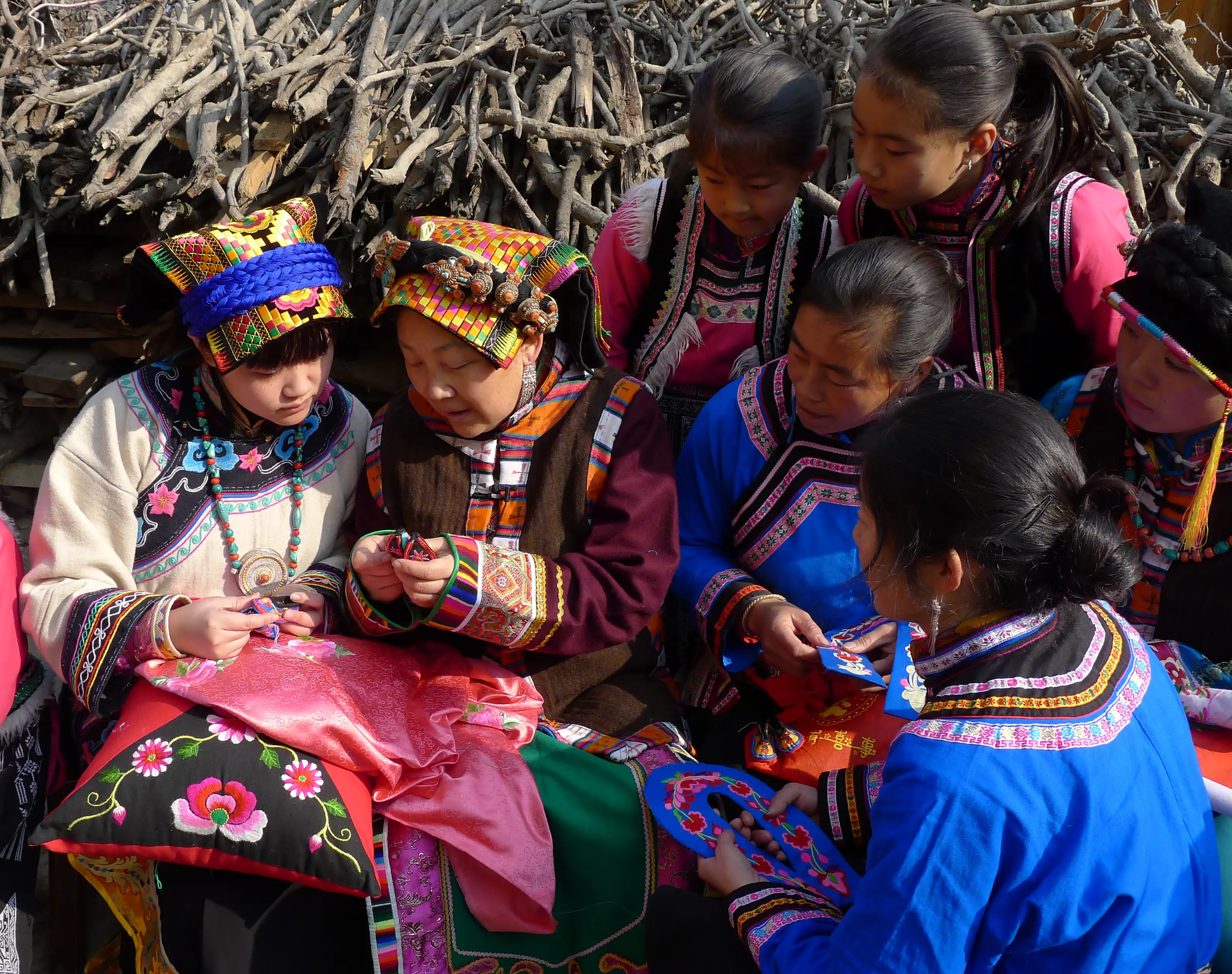
The art of embroidery, passed down through generations
Founded by Yang Huazhen, a nationally recognized inheritor of intangible cultural heritage, the Chengdu Huazhen Tibetan and Qiang Culture Museum is a non-governmental institution dedicated to the preservation, exhibition, and living transmission of Tibetan and Qiang weaving and embroidery traditions. The museum integrates cultural heritage with vibrant ethnic identity and was officially established in August 2012, following evaluation and approval by the cultural and civil affairs departments of Sichuan Province and the City of Chengdu.
The main museum is located in the Qiong Kiln National Archaeological Site Park in Qionglai, Chengdu, Sichuan Province, covering approximately 1,800 square meters, with a building area of about 1,000 square meters. The branch museum is housed within Sichuan Arts Vocational College in Wenjiang District, with a building area of 1,600 square meters. Additional exhibition and cultural spaces include a 600-square-meter Tibetan–Qiang Embroidery Gallery in Jiuzhaigou County, as well as two community-based outreach stations in Huazhaobi Community (Jinniu District) and Niusha Road Community (Jinjiang District). The museum has also established multiple intangible cultural heritage practice centers in Wenchuan, Maerkang, Hongyuan, Kangding, and other regions. In total, its accessible exhibition and training areas cover nearly 5,000 square meters.
The museum’s collection includes over 5,000 artifacts—ranging from historical and contemporary embroidery pieces, ancient texts, traditional garments and accessories, to religious figures and handmade art objects—each holding significant artistic and academic value. Highlights include Qing Dynasty works such as Auspicious Blessings of Heaven and Earth and Peony of Prosperity and Honor, alongside large-scale modern embroidered thangkas such as Shakyamuni Preaching the Dharma, Thousand-Armed and Thousand-Eyed Avalokiteshvara, and The Fivefold Manjushri, as well as exquisitely crafted textile artworks in a variety of materials.
In addition to collection and preservation, the museum continuously creates new Tibetan–Qiang cultural artworks, many of which have received national and international awards. Its works have been collected by prominent figures and institutions, including Singaporean Prime Minister Lee Hsien Loong, Tanzanian President Jakaya Kikwete, and the Boston Children’s Museum. Through creative collaborations with global brands and artists, we reinterpret traditional beauty through a modern lens—making ethnic heritage relevant and inspiring for new generations.